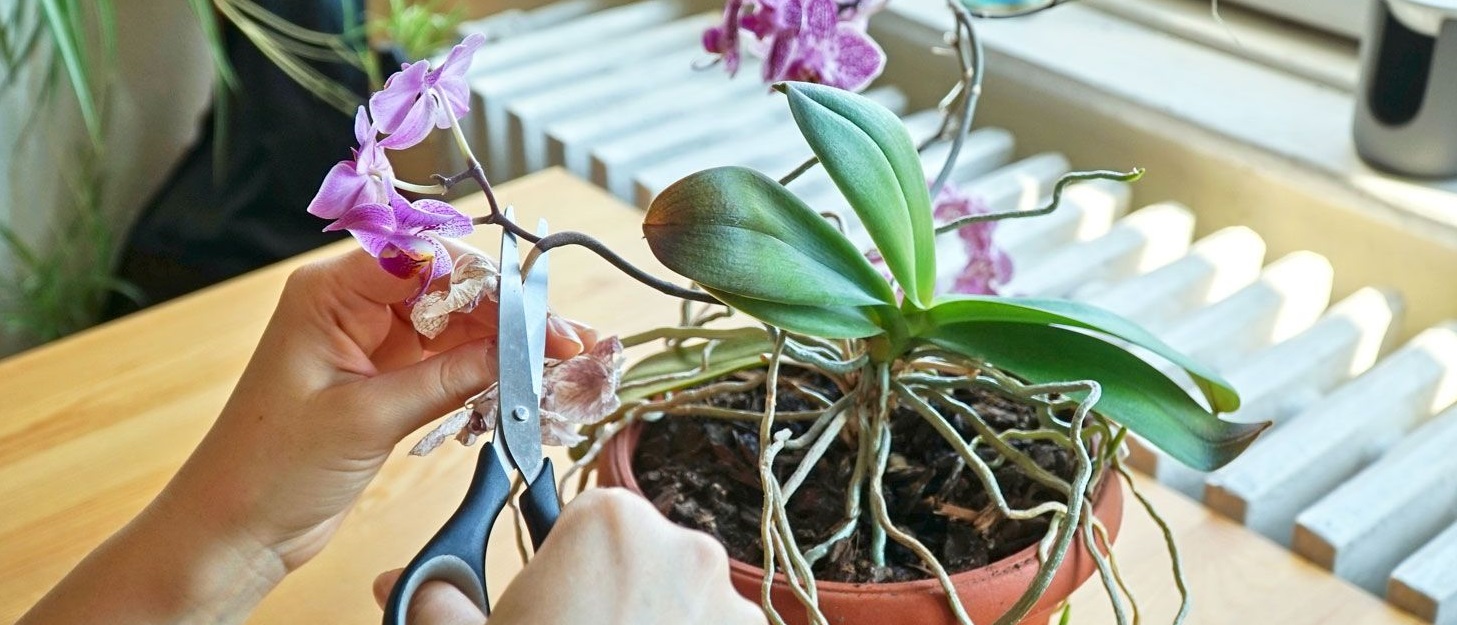
Despite its exquisite beauty, the orchid is not a very capricious plant. However, it is necessary to know how to care for an orchid correctly so that the flower always remains healthy and beautiful. Provided that the basic rules of care are followed, it can delight the owner with bright flowering several times a year and maintain its decorativeness for many years.
Orchids are prized for their unusual flower shapes, variety of colors, and long-lasting blooms. However, to maintain the health of the plant, it is important to create conditions that are as close to their natural habitat as possible.
What to do immediately after purchase?
How to care for an orchid after purchase depends on the condition of the plant and the conditions in which it is kept in the store:
- First of all, you shouldn't transplant a flower right away, especially if it is actively blooming. Orchids need time to adapt to a new location.
- After purchase, it is recommended to carefully inspect the leaves, roots, and flower stalks. If the plant looks healthy, it is enough to place it in a suitable place with good lighting.
- It is not recommended to feed the plant immediately. The orchid must get used to the new microclimate and only then receive additional nutrients.
During the first few weeks, it is best to avoid sudden changes in housing conditions.
Where is the best place to place an orchid?
The correct location of the pot plays an important role in the development of the plant. Orchids prefer bright diffused light, but do not tolerate direct sunlight.
The best place is considered to be the eastern and western windows. If the flower is on the south side, it is advisable to use a light curtain to protect the leaves from burns. Insufficient lighting is also undesirable, as it can lead to a lack of flowering.
In winter, with a short daylight hours, additional lighting is sometimes used. This helps to maintain active growth and development of the plant.
How to water an orchid correctly?
To successfully care for an orchid, it is necessary to adhere to a moderate watering regime. The main mistake of many owners is to over-moisten the substrate.
It is recommended to water the orchid only after the bark in the pot has almost completely dried out. Most often this happens once every 7–10 days, but the frequency may vary depending on the temperature and humidity of the air.
The most popular method is to immerse the pot in a container of water for a few minutes. After the procedure, excess moisture should completely drain through the drainage holes. For watering, it is advisable to use soft, settled water at room temperature.
Home care
How to properly care for an orchid at home can be understood by taking into account several factors at once:
- lighting;
- watering;
- temperature;
- humidity.
It is the integrated approach that provides the plant with comfortable conditions for growth.
Most popular orchids feel good at temperatures from +18 to +25 degrees. At the same time, a small difference between day and night temperatures contributes to the formation of flower stalks.
The plant also likes high humidity. If the room is too dry, you can use a humidifier or place a container of water nearby.
It is important to regularly ventilate the room, but avoid cold drafts, which can negatively affect the condition of the plant.
Do orchids need fertilizer?
Yes, regular fertilizing helps maintain plant health and stimulates flowering. However, fertilizers should be used sparingly and only special formulations for orchids.
During active growth, fertilizing is usually carried out once or twice a month. During the dormant period, the frequency of fertilizing is reduced or completely stopped.
An excess of nutrients can be no less harmful than their deficiency. Therefore, it is always important to follow the manufacturer's recommendations.
When is it necessary to transplant a plant?
Transplantation is required on average every two to three years. Over time, the bark decomposes, becomes denser and less air-permeable to the roots.
Signs of the need for transplantation may be:
- destruction of the substrate;
- strong growth of the root system;
- the appearance of an unpleasant odor;
- signs of root rot.
For transplanting, use transparent pots and a special substrate based on pine bark. This environment provides good ventilation and prevents moisture stagnation.
What care is needed for an orchid during flowering?
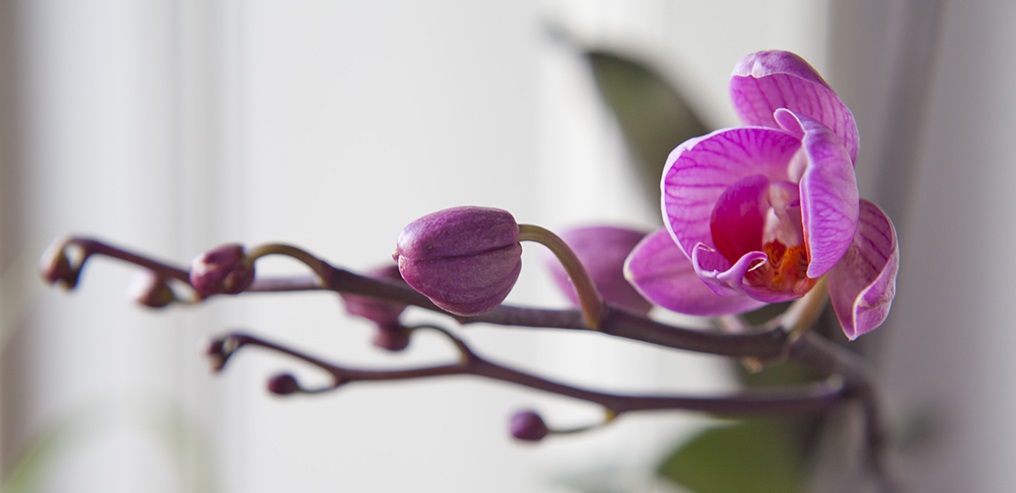
Orchid care during the flowering period should be as careful as possible. At this time, it is not recommended to move the plant from place to place often, as changing conditions can cause the buds to drop.
It is also important to maintain a stable watering regime and avoid sudden changes in temperature. With proper care, flowering can last for several months.
After flowering, do not immediately remove the peduncle. If it remains green, new buds or side branches may appear on it.
Most often, problems arise due to excessive watering. Constantly wet substrate leads to root rot and deterioration of the overall condition of the plant.
Also common mistakes are:
- insufficient lighting;
- using ordinary soil instead of bark;
- too frequent transplants;
- using inappropriate fertilizers;
- placing the plant near heating devices.
By avoiding these mistakes, you can significantly extend the life of an orchid and achieve regular flowering.
Where to buy a healthy orchid?
Florist salon "LoraShen" offers a wide selection of beautiful and healthy orchids for home and office. The assortment includes popular varieties that are distinguished by long flowering and high decorativeness.
Our specialists will help you choose a plant taking into account the conditions of maintenance, tell you about the features of care and give recommendations for watering, transplanting and fertilizing. Thanks to proper care, the orchid will become a real decoration of the interior and will delight with its elegant flowers for many years.